Missing Half the Story: Journalism as if Gender Matters
Toilets, trees and gender? Can there be a connection?
1 E-Book

Zubaan
₹379.79

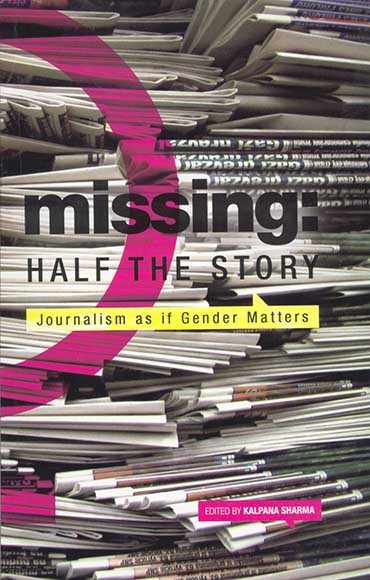
Toilets, trees and gender? Can there be a connection?
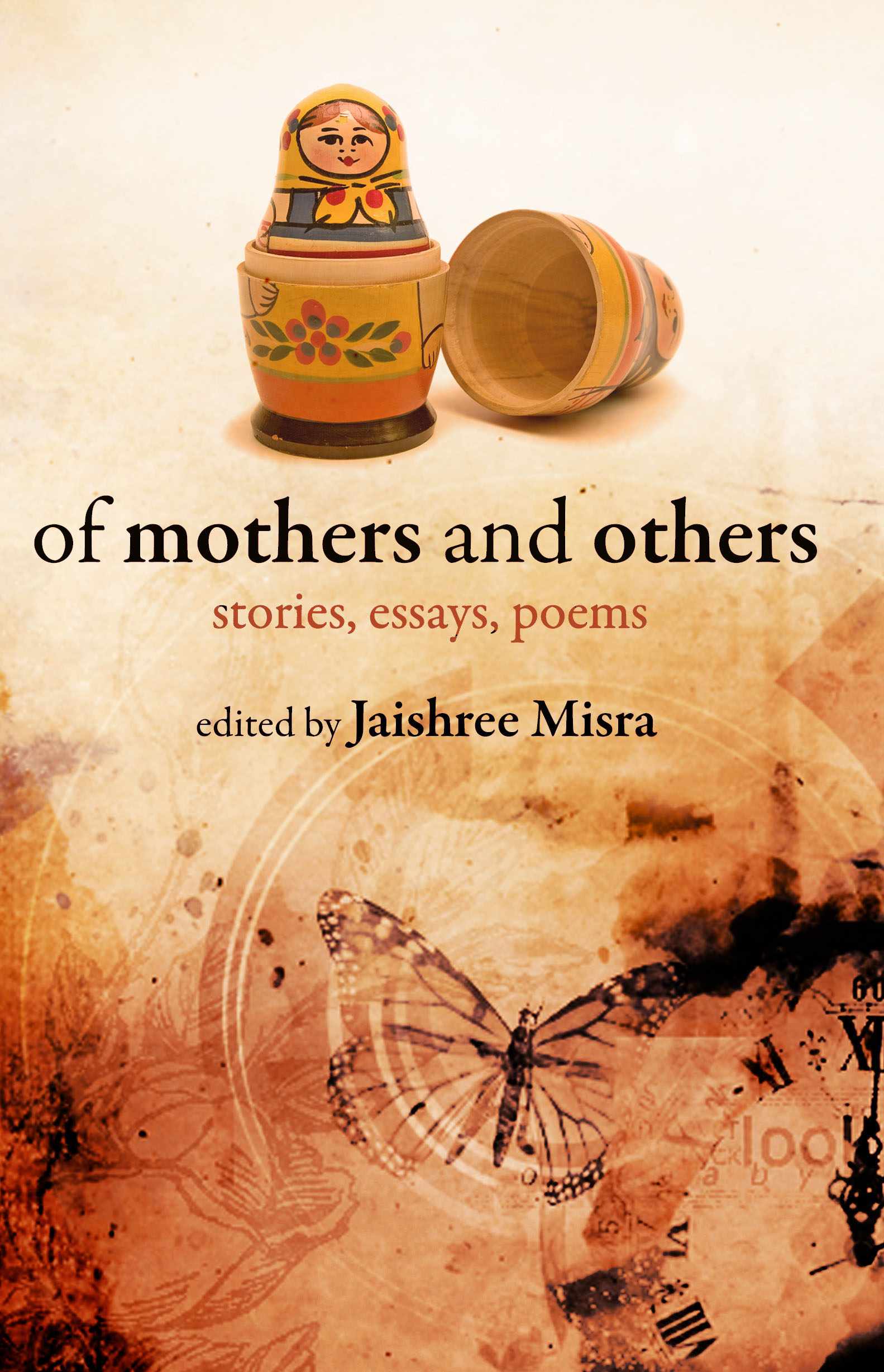
This multi-layered and thought-provoking collection offers a new and alternative view to the cosy images of motherhood that we so often assume.
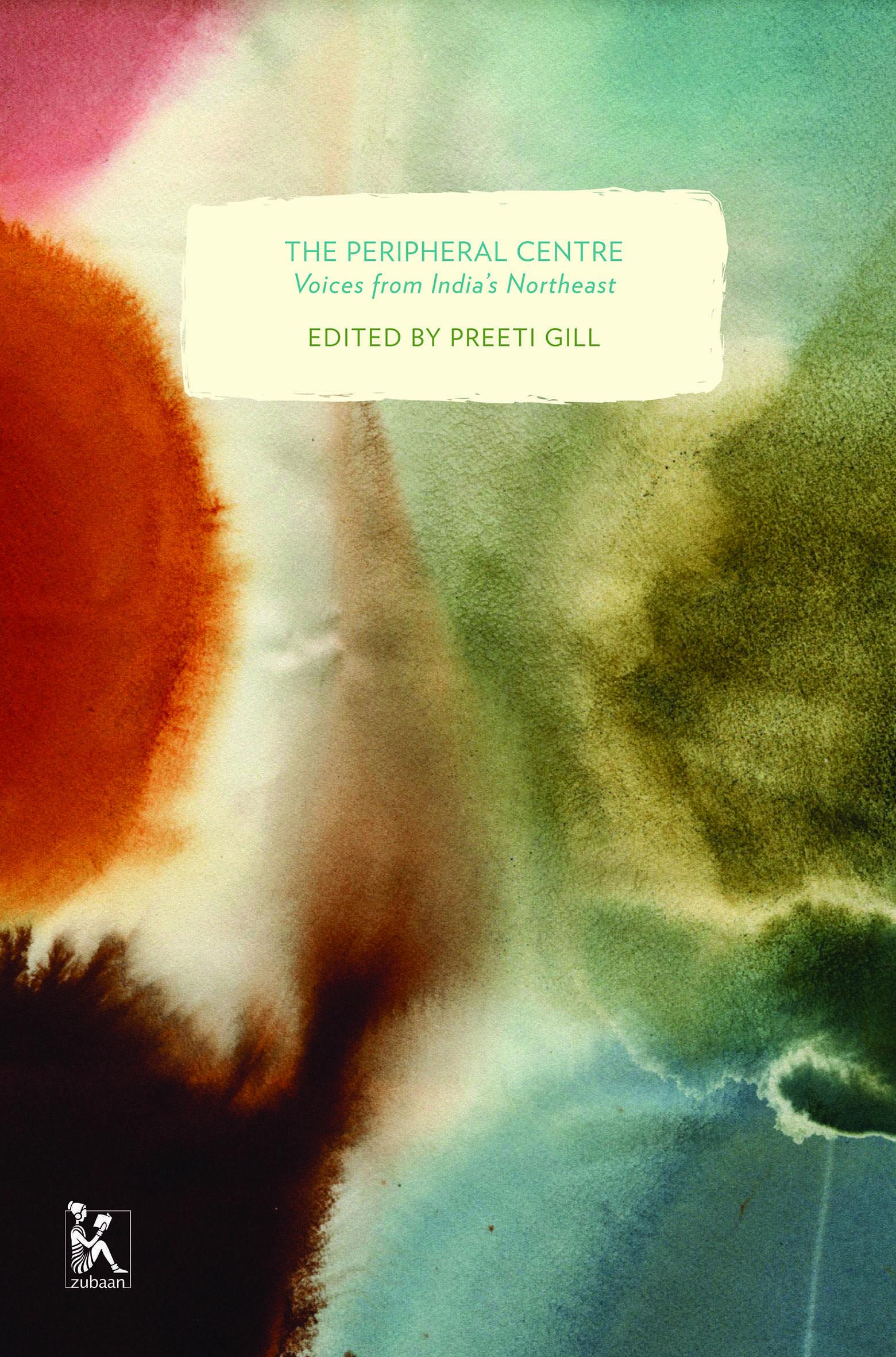
This wide-ranging collection of voices from India’s Northeast is now available in a brand new paperback edition as part of the Zubaan Classics series to celebrate Zubaan’s 10th anniversary.
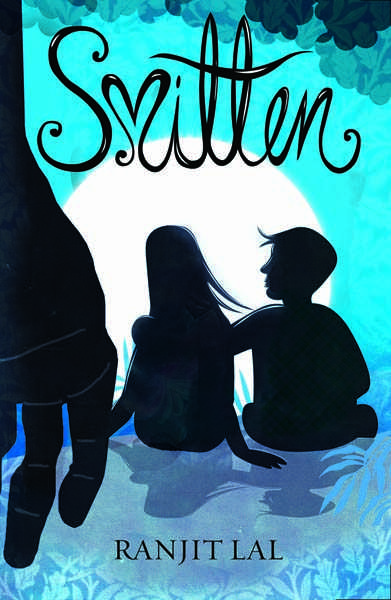
When fifteen-year-old Samir discovers that he’s got new neighbours, he’s horrified: he’s left certain ‘secret documents’ in their flat, which should not be seen by anyone – and especially not by a cute girl his own age like Akhila Handa! But to Samir’s surprise and relief, Akhila is amazingly sporting about them, and pretty soon their friendship blossoms as Samir gets to know the family: the bouncy boxer dog, Akhila’s younger brother Sumit, who is ‘a bit slow’, and their strangely withdrawn mother.
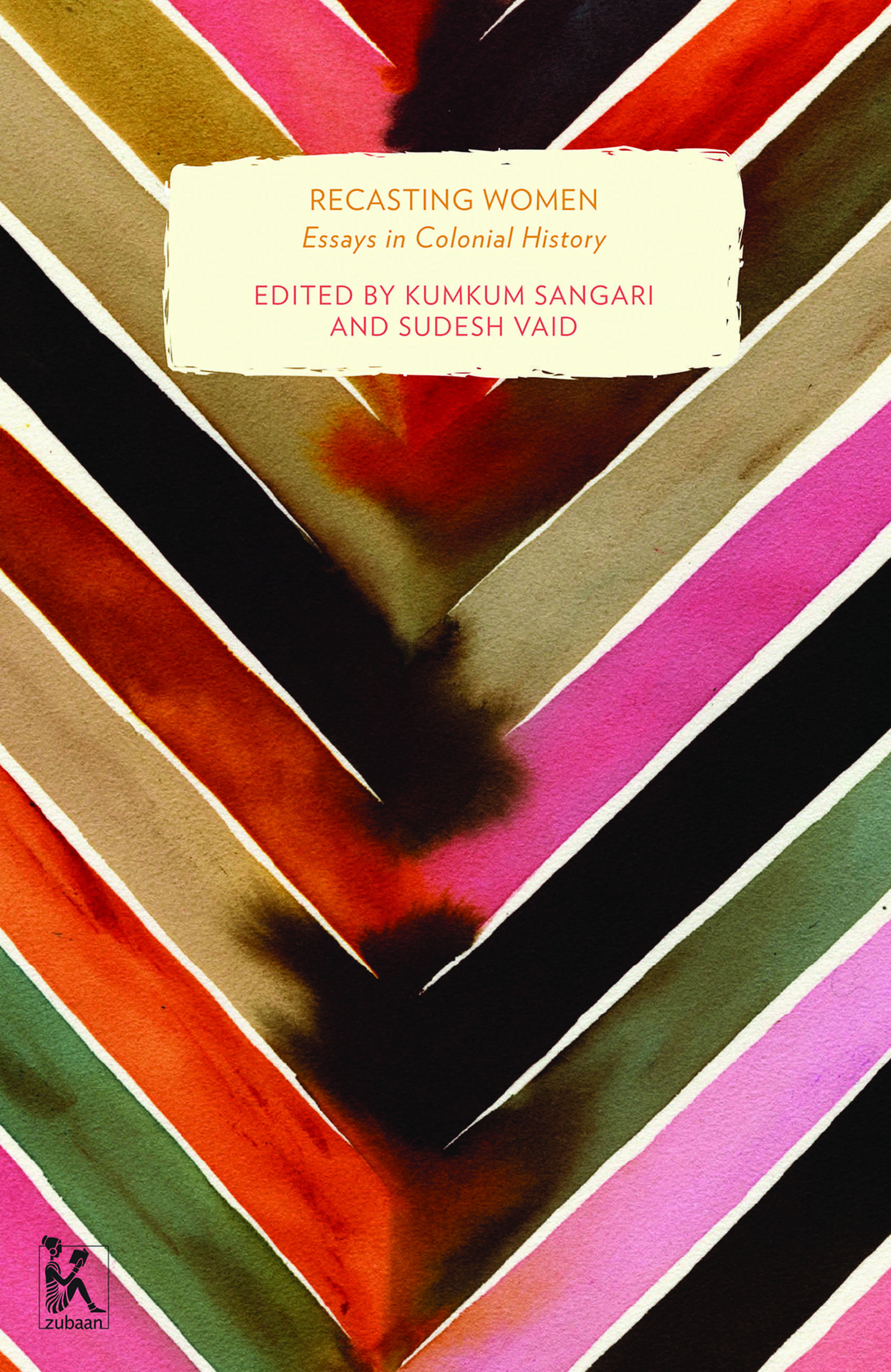
This landmark collection on colonial history is now available in a brand new edition as part of the Zubaan Classics series to celebrate Zubaan’s 10th anniversary.
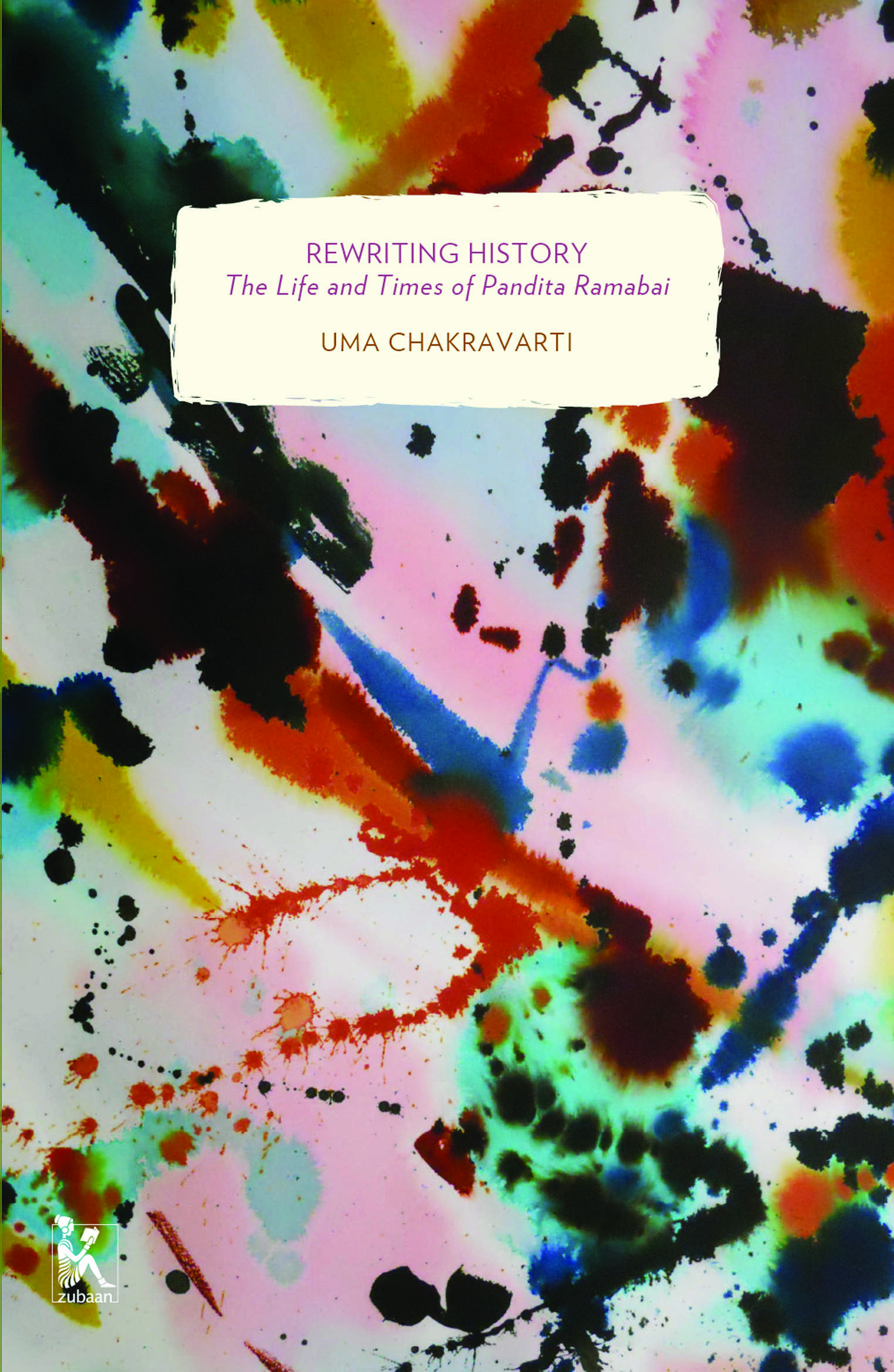
This study of Pandita Ramabai’s life, one of India’s earliest feminists, is now available in a brand new paperback edition as part of the Zubaan Classics series to celebrate Zubaan’s 10th anniversary.
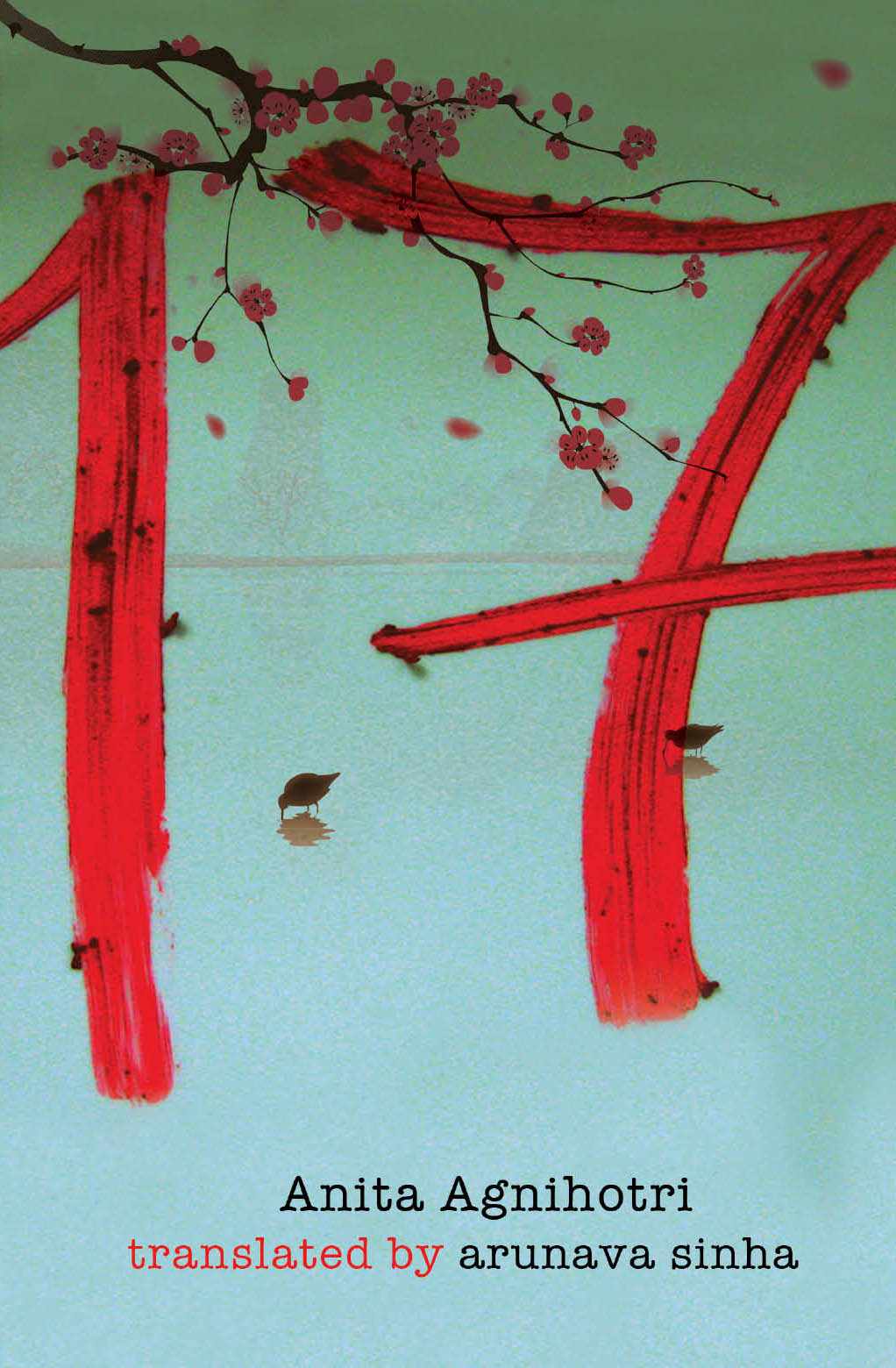
A brother and sister visit the unique crater-lake that their dead, estranged mother had written to them about in her letters.
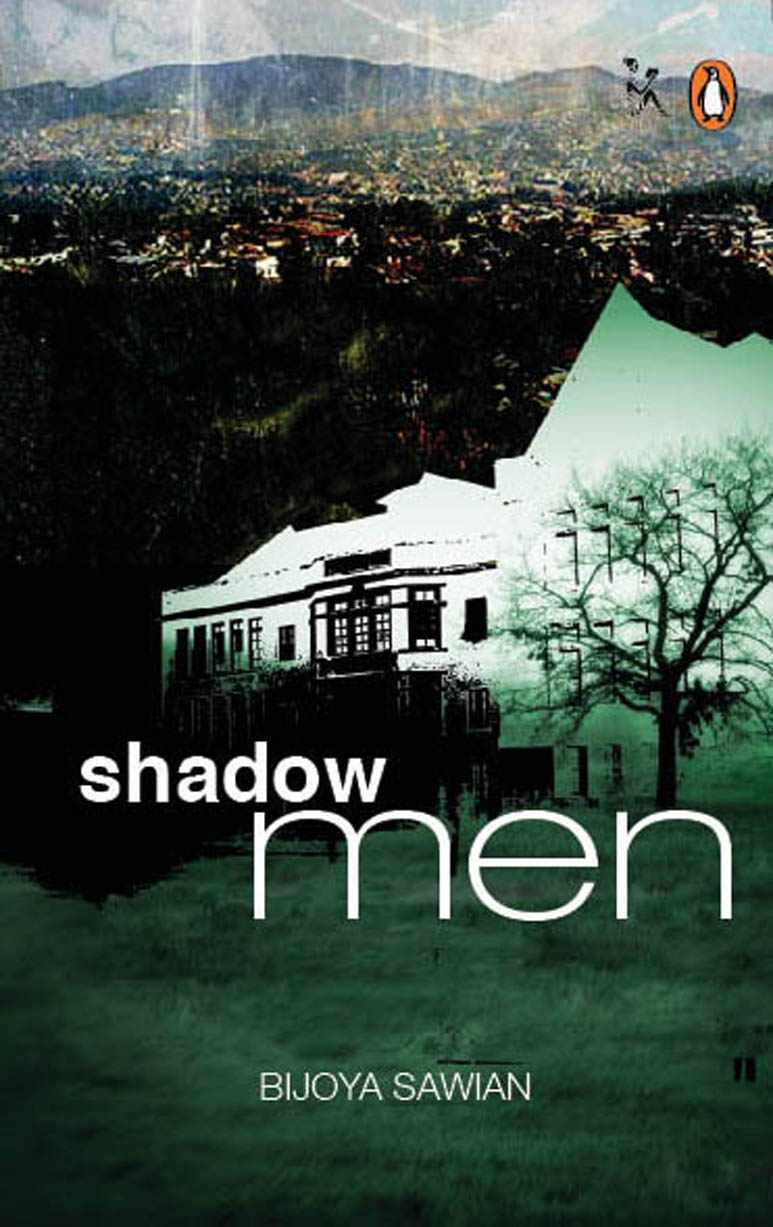
A thick mist envelopes an isolated house and a cottage atop a hill.
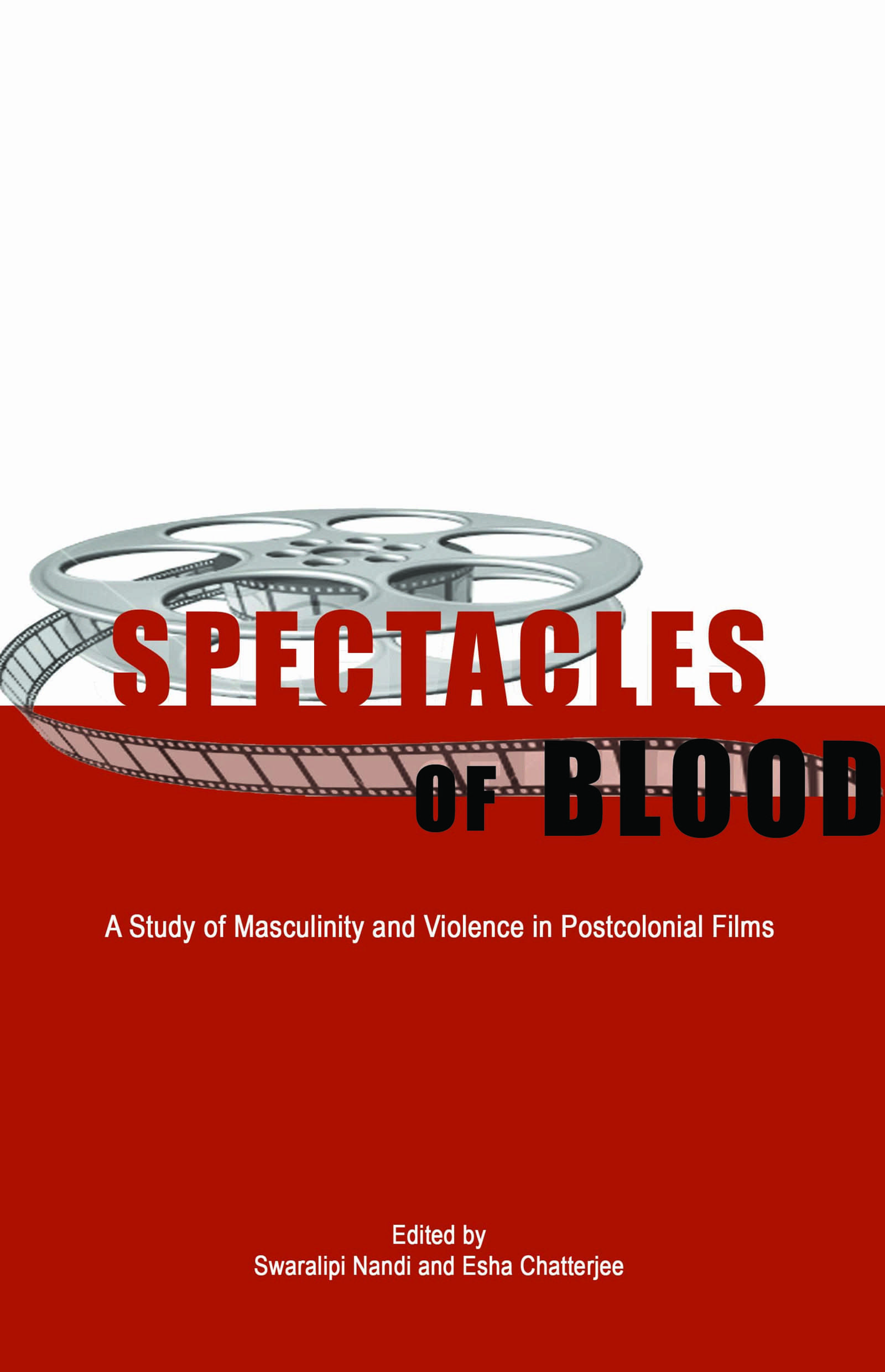
This book addresses the current issues of violence, masculinity and power in the postcolonial context and their representation in films.
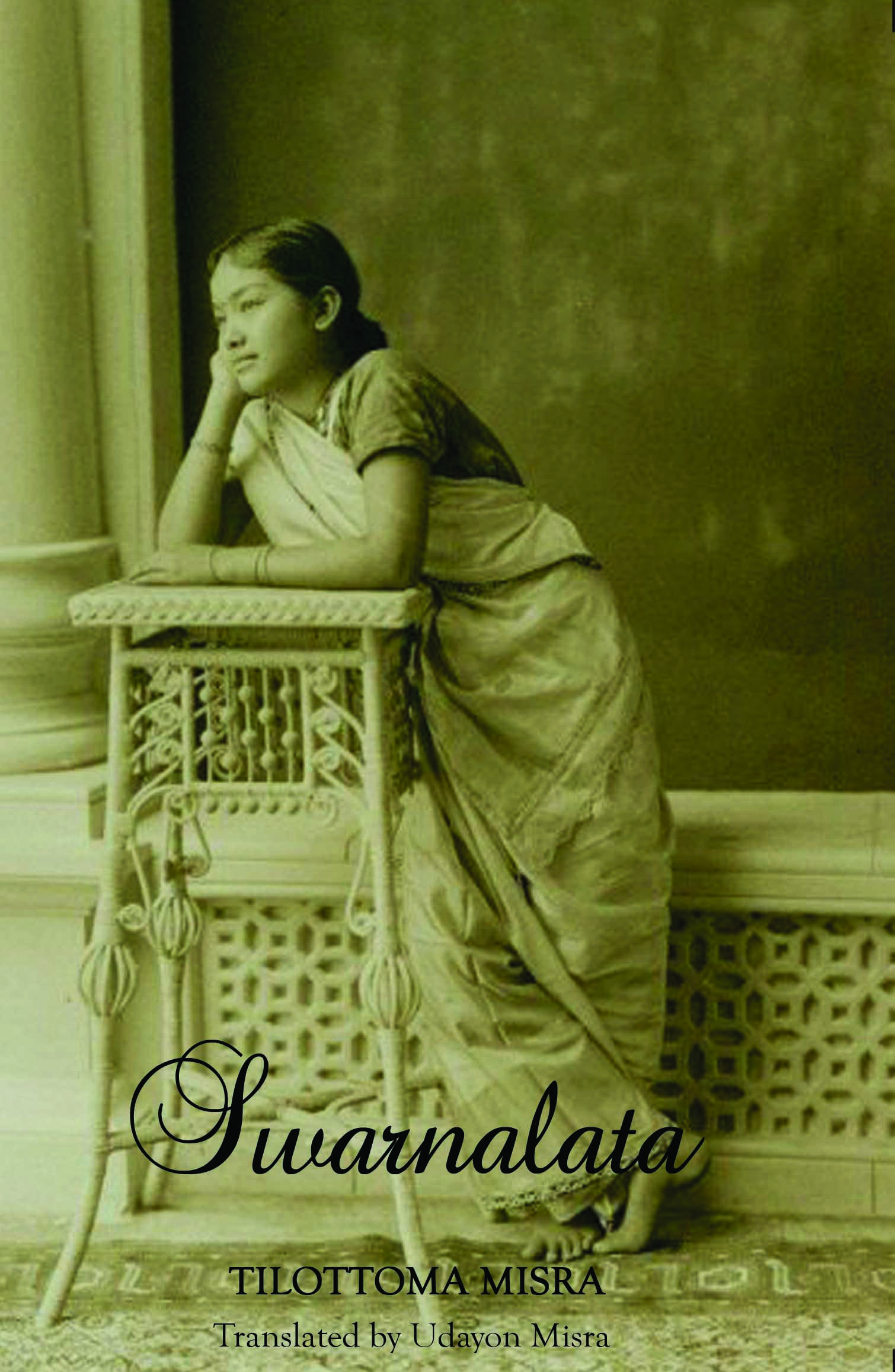
Set in mid-nineteenth century Assam when the forces of tradition were being challenged by new concepts of modernity, Swarnalata is the story of three women from very different social backgrounds, each caught in the whirlpool of change, each trying to chart her own course in life, heroically, silently.
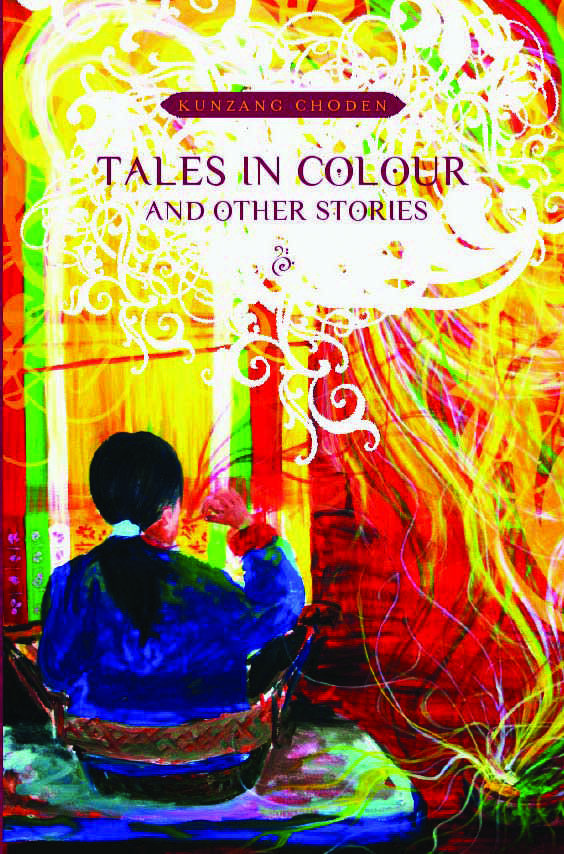
These deceptively simple stories uncover both the complexity and irony of women’s lives in Bhutan today.
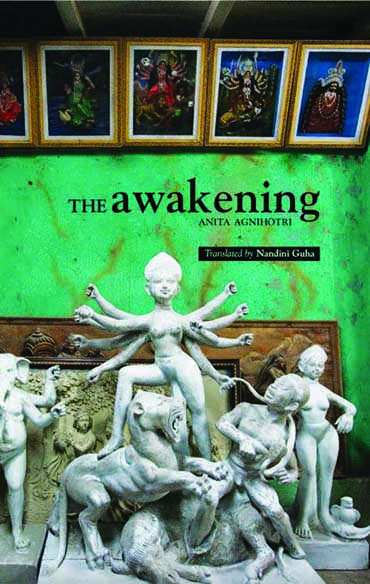
Arjun is not a potter by birth.
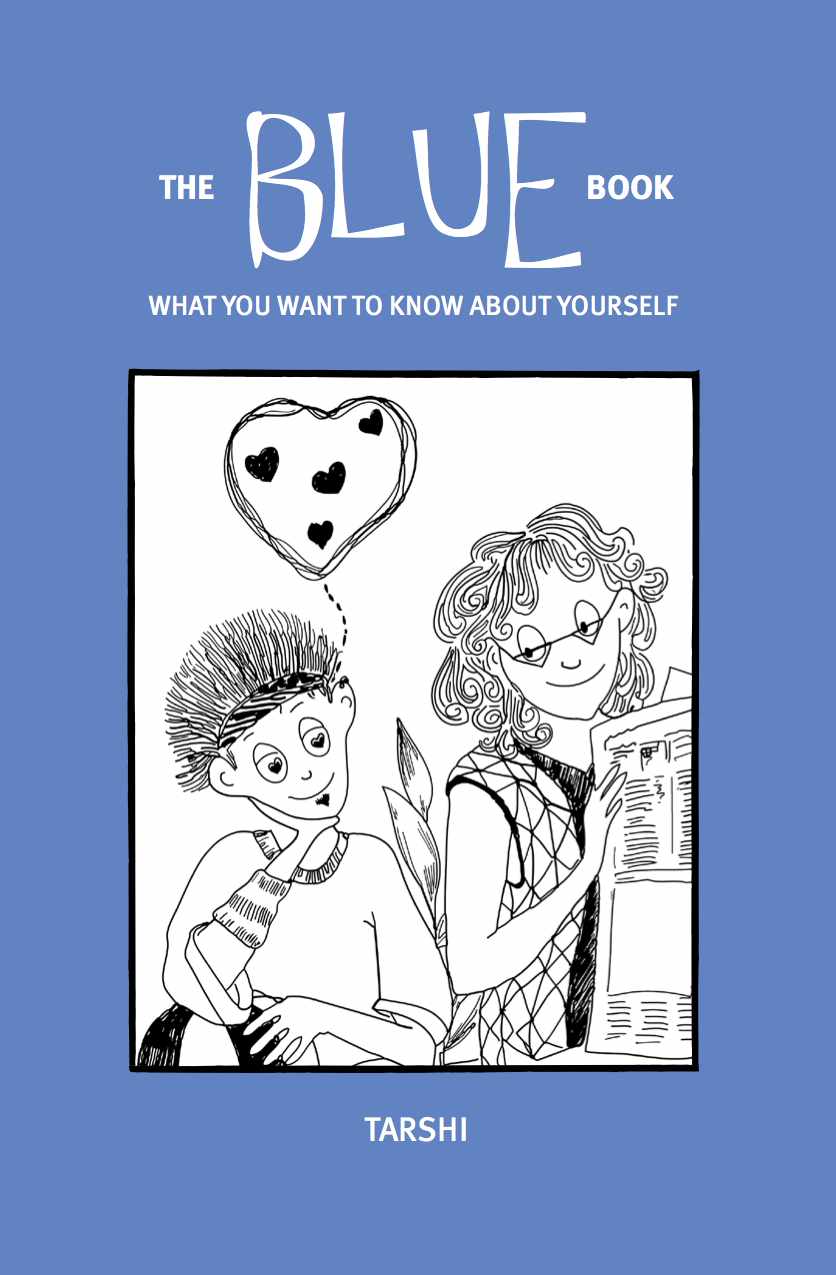
What is happening to my body? Am I attractive? Am I ‘normal’? Do I want to be? What is this sex stuff really all about? When is the right time to start? How will I know if my relationship is good for me? Can I have fun safely? Will it still be fun? In this book, young adults can find information about different aspects of sexuality and relationships.
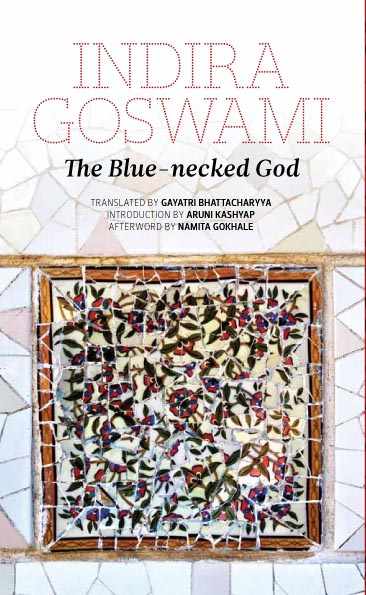
he Blue-necked God (Nilakantha Braja), published in 1976, is one of Indira Goswami’s early novels and the first time that a writer highlighted the exploitation and poverty of widows, dumped in a ‘sacred’ city to eke out their days in prayer by uncaring, callous families under the guise of religious sanction and tradition.
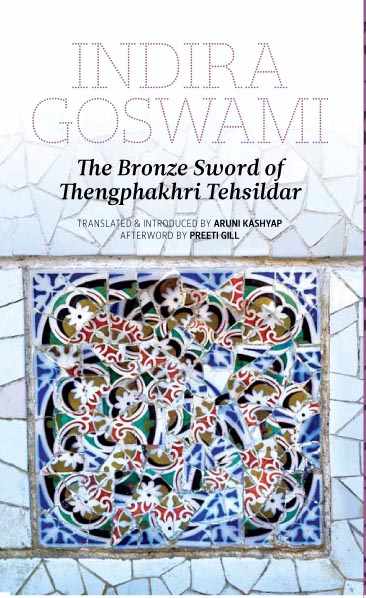
Set in late 19th century Assam, The Bronze Sword of Tengphakhri Tehsildar is the heroic tale of a Bodo freedom fighter who was, arguably, the first woman revenue collector in British India.
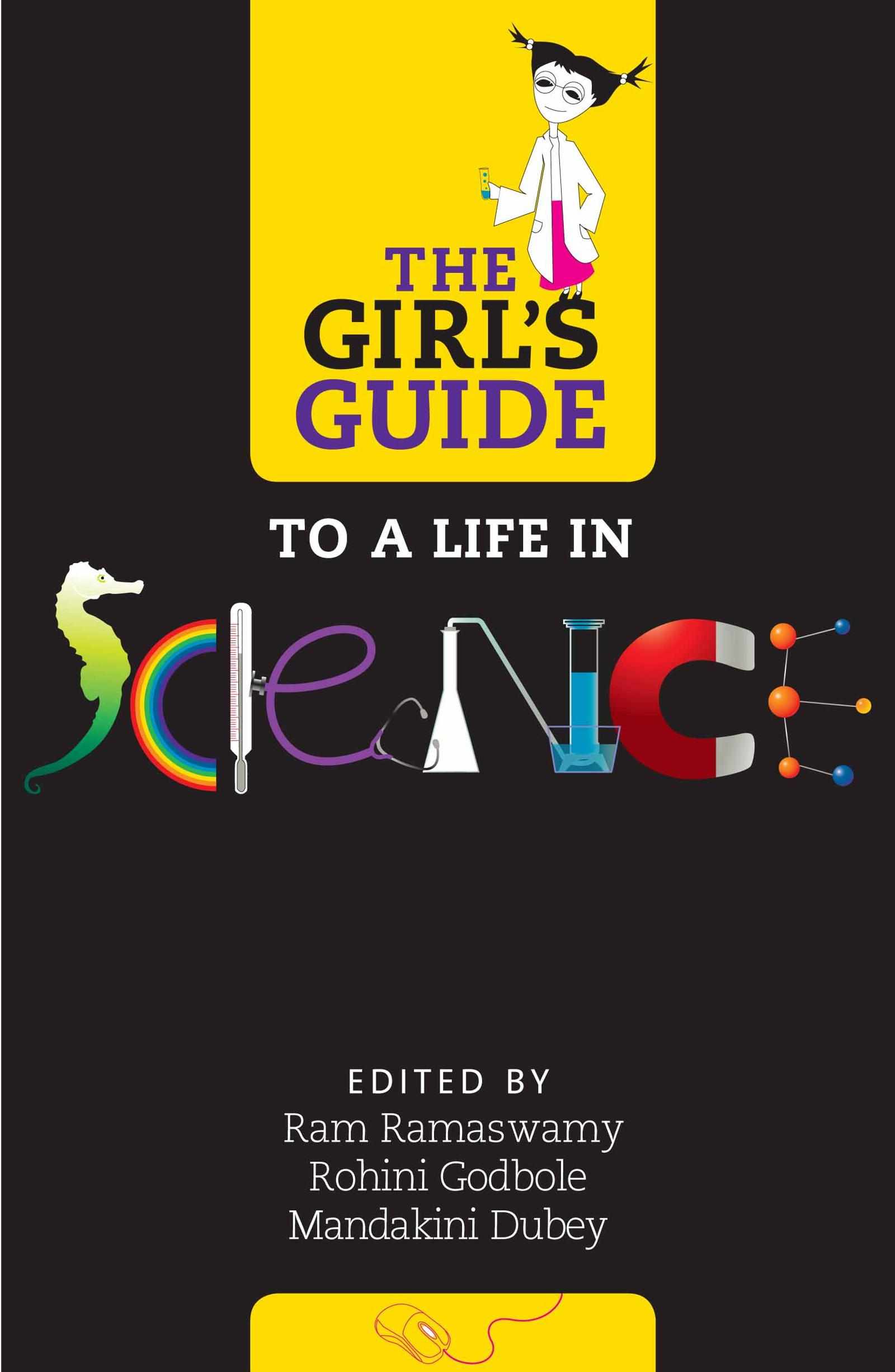
Inspiring, informative, insightful? meet some of India’s most celebrated female scientists.
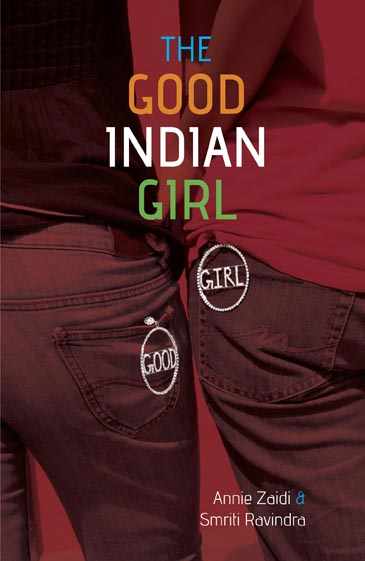
Who is the ‘Good Indian Girl?’ What does she look like? How does she dress? Is she real — or is she a myth? In this funny, wicked, touching, irreverent, poignant collection of stories, Annie Zaidi and Smriti Ravindra lift the veil (or sari pallu) on the lives and loves of girls who have been born or raised in the subcontinent.
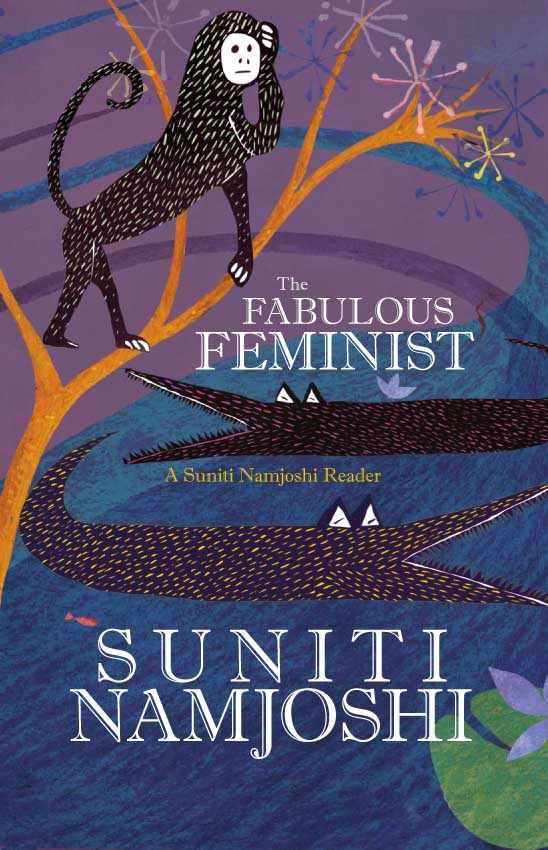
It was on a sabbatical in England in the late seventies that Suniti Namjoshi discovered feminism – or rather, she discovered that other feminists existed, and many among them shared her thoughts and doubts, her questions and visions.
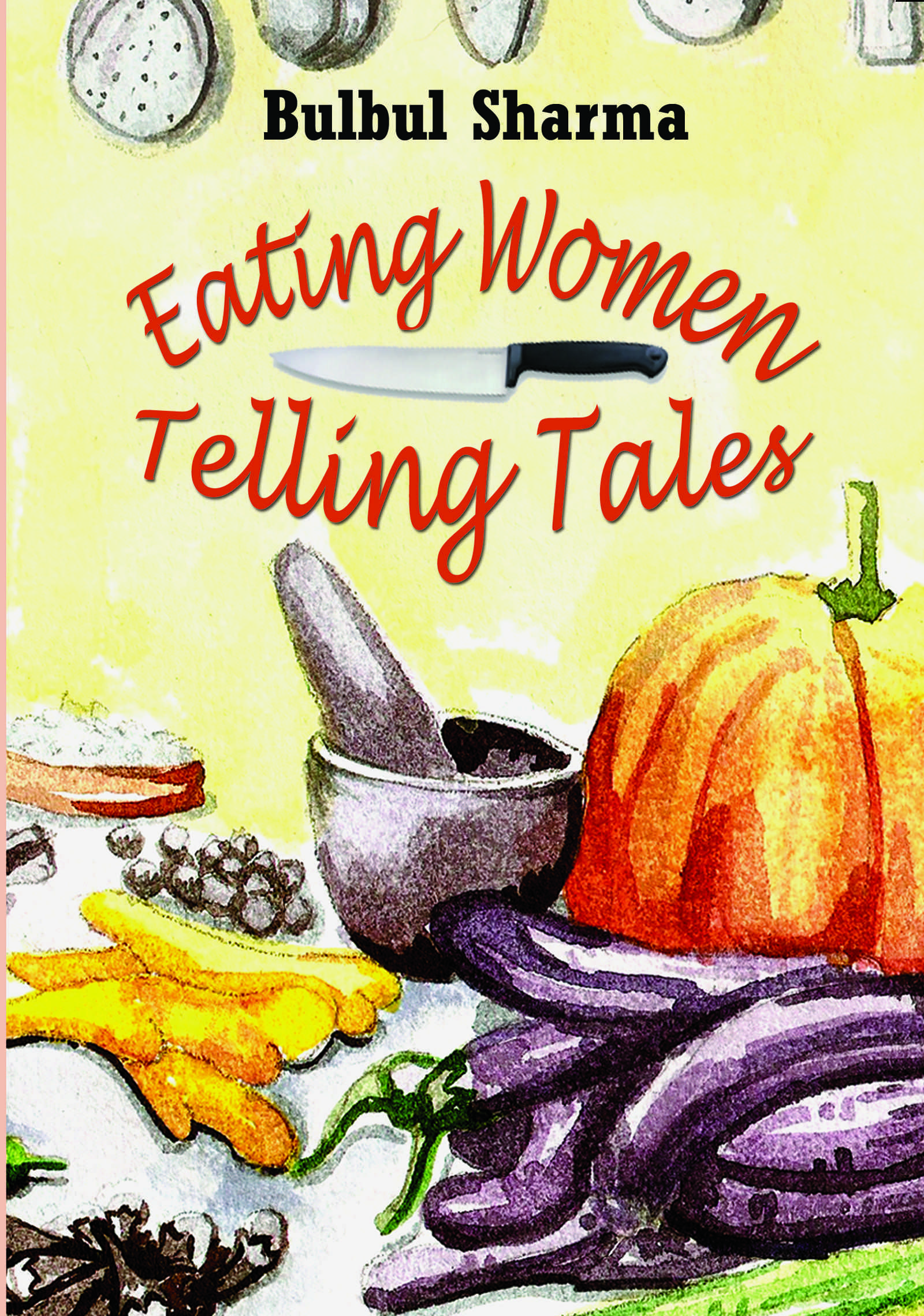
This delicious spread of short stories is now available in a brand new paperback edition as part of Zubaan Classics series to celebrate Zubaan’s 10th anniversary.
Published in March of 1899, Muhammad Hadi Ruswa’s famous novel Umrao Jaan Ada created a sensation when it came out, with its candid account of the life of Umrao Jaan, a semi-fictional, possibly real, Lucknow courtesan.