

Andhar Bil
In 1947, and then in 1971, in the South Asian subcontinent, entire communities of people crossed newly-created borders to find new homes as partitions divided and reshaped countries.
1 E-Book

Zubaan
₹ 316.28
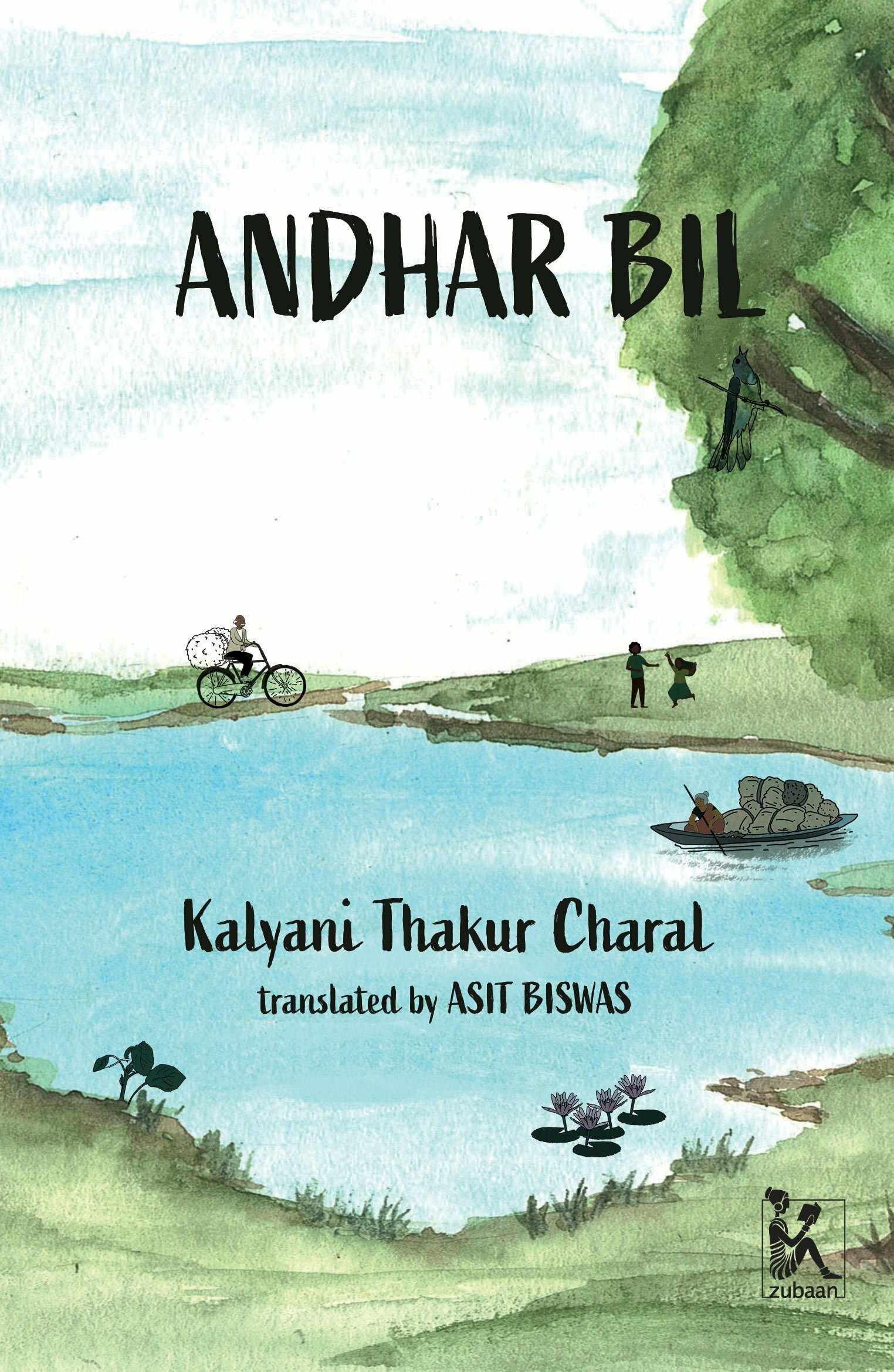
In 1947, and then in 1971, in the South Asian subcontinent, entire communities of people crossed newly-created borders to find new homes as partitions divided and reshaped countries.
The recent global pandemic highlighted the crucial role played by (mostly female) care workers in providing health services across the world.
Karuthamma, born to a Yamadoot, turns fourteen on Earth while Sigappan, an intersex child taken to the underworld in exchange, grows up with the Yamadoots.
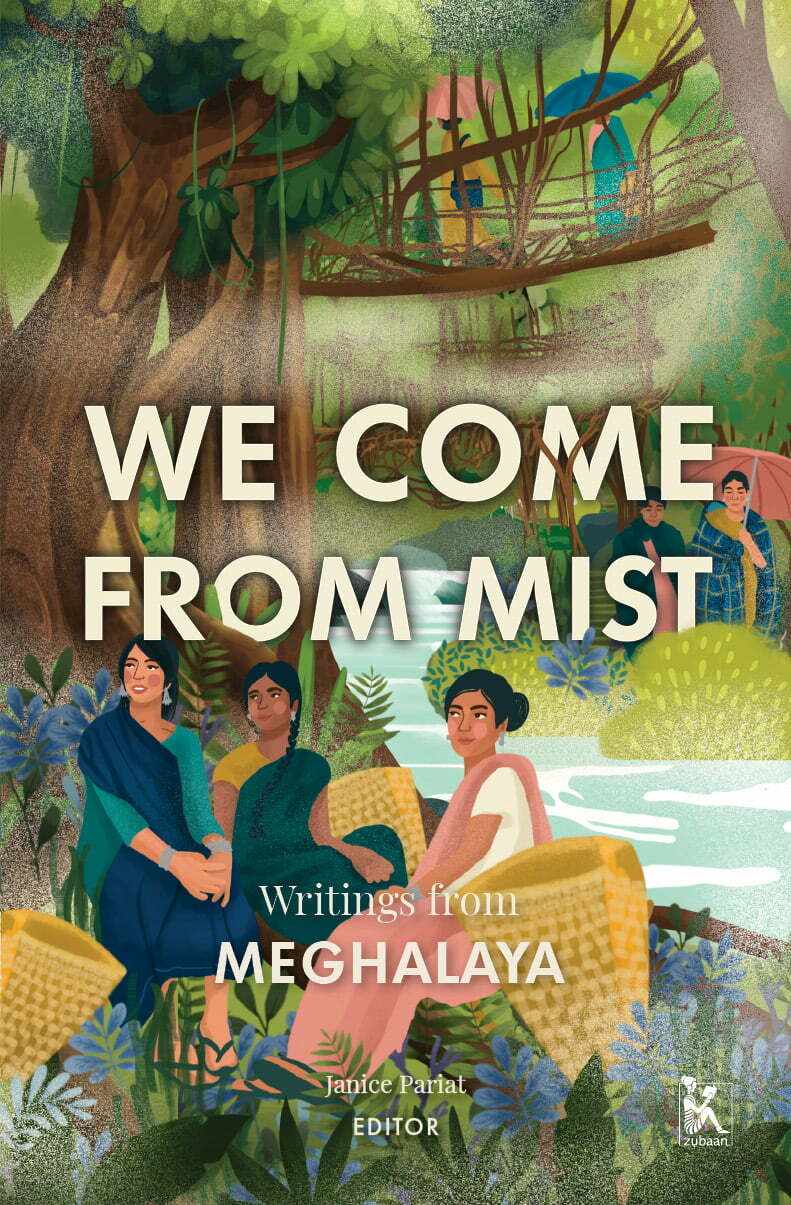
This book is an offering—of prose, poetry, musical lyrics, and visual art—by the women of Meghalaya in Northeast India.
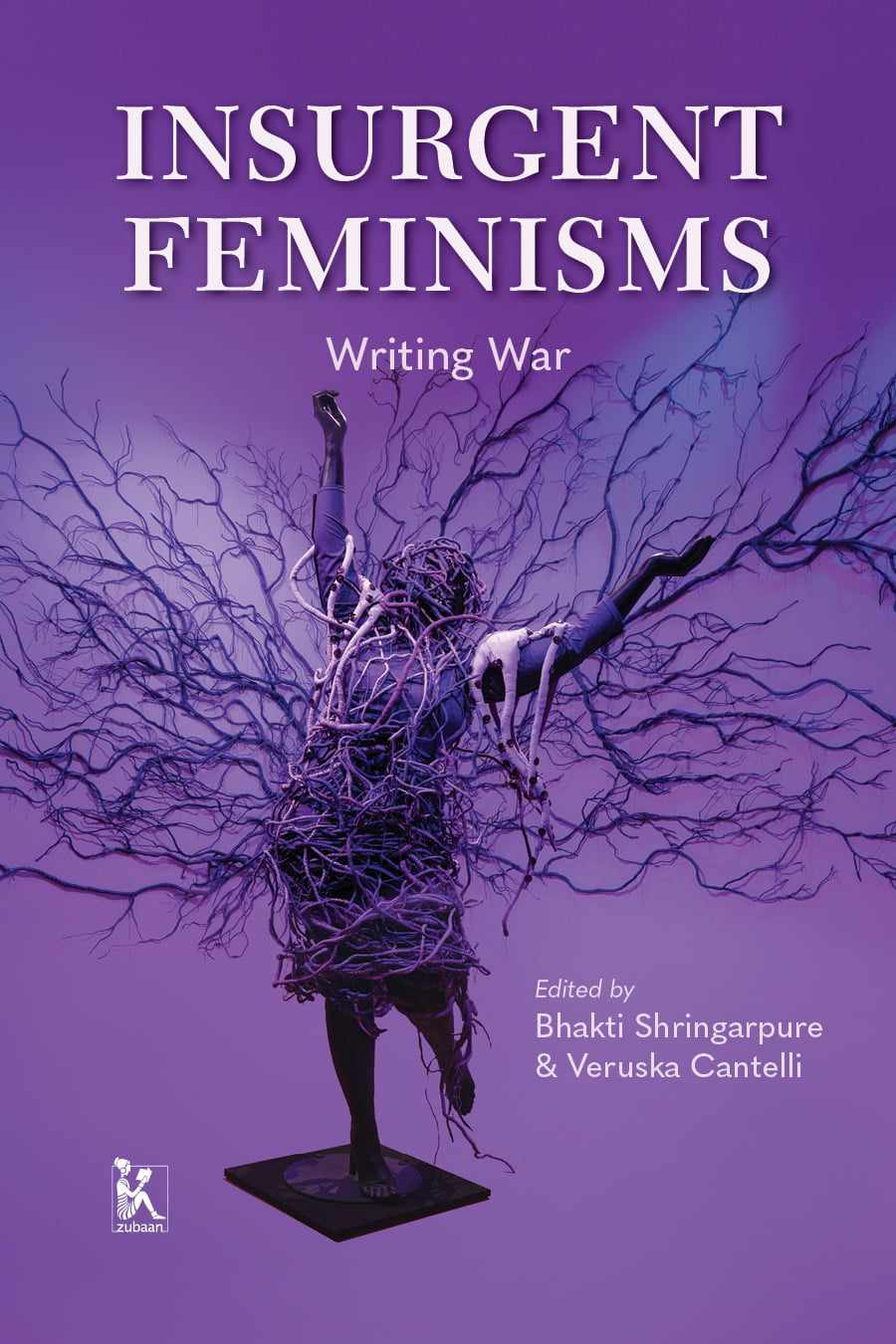
Insurgent Feminisms: Writing War brings together ten years of writing published in Warscapes magazine through the lens of gender and advances a new paradigm of war writing.
Especially after the #MeToo storm, ‘consent’ has been the rallying point of our debates.
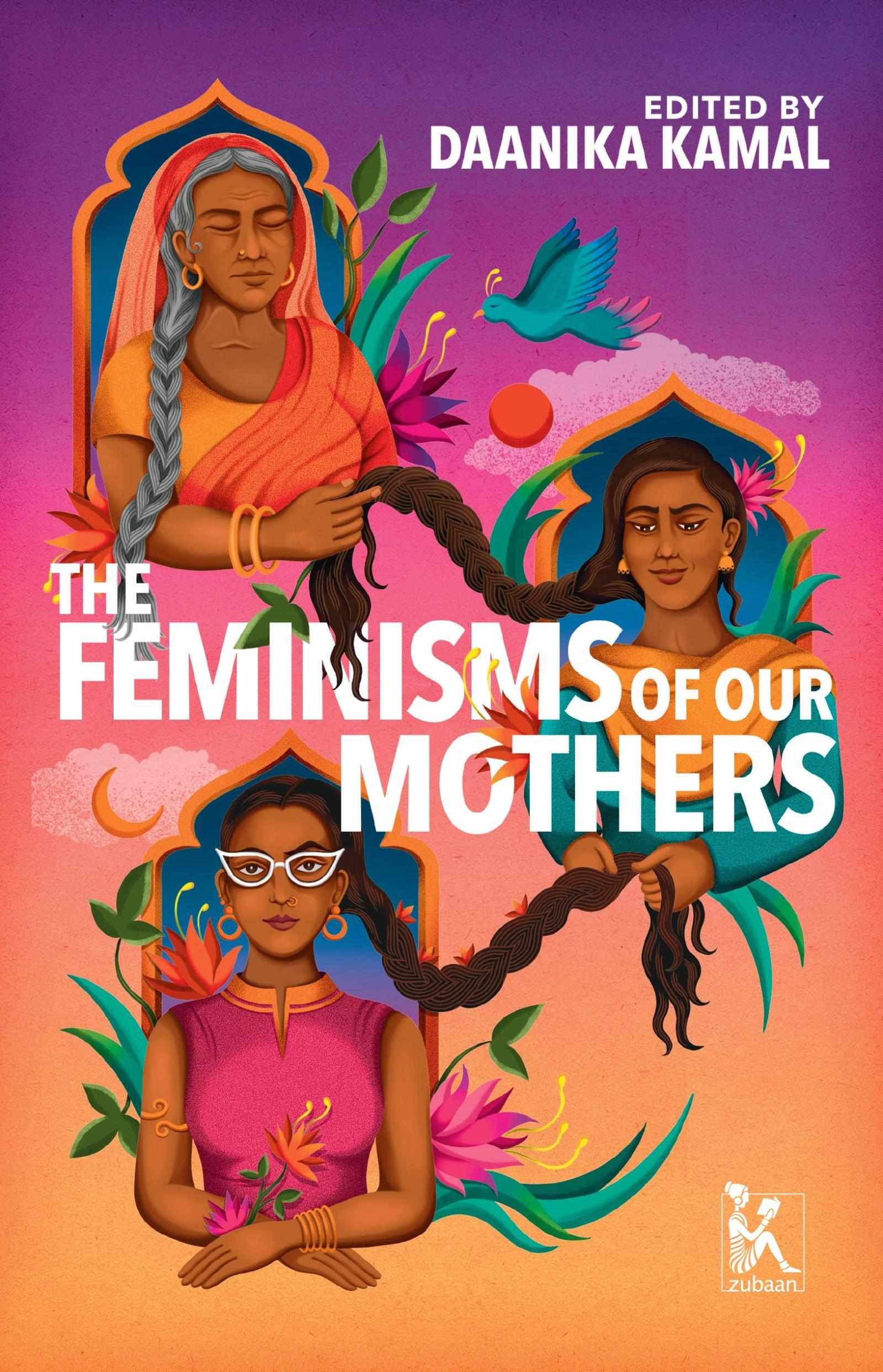
‘Some of our mothers marched the streets in the 1980s, demanding the emancipation of women.
For over 40 years, Professor Patricia Jeffery, Professor Emerita in Sociology, University of Edinburgh, carried out pioneering research, individually and in partnership with her colleagues.
This book presents a brilliant reading of the unanimous decision of the nine-judge bench of the Supreme Court of India in the case of Justice KS Puttaswamy (Retd.
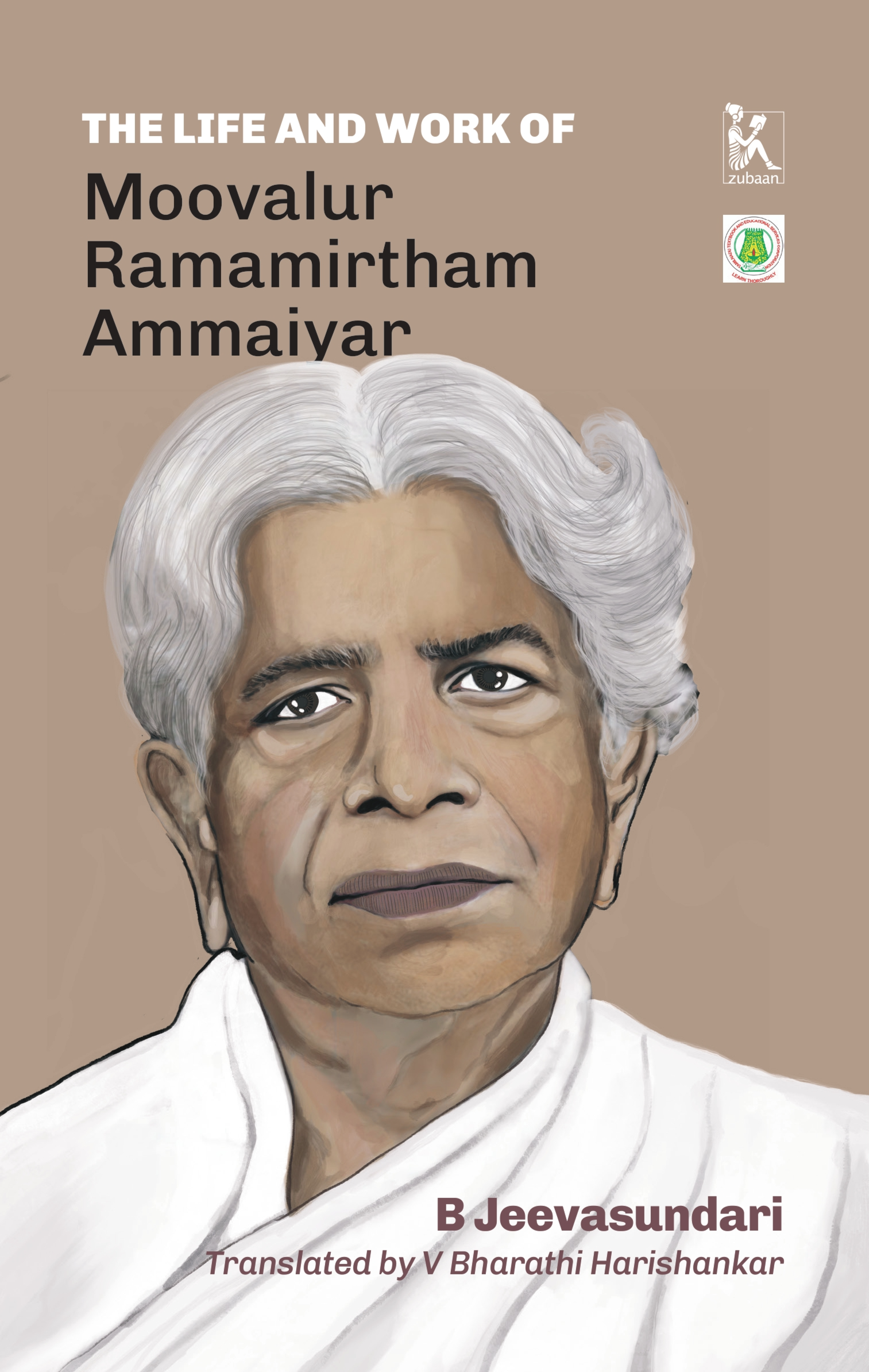
Moovalur Ramamirtham Ammaiyar spent almost her entire life fighting against the devadasi system in Tamil Nadu, a practice that dedicated young girls to temples, where they were meant to be available for the sexual needs of priests and landowners.
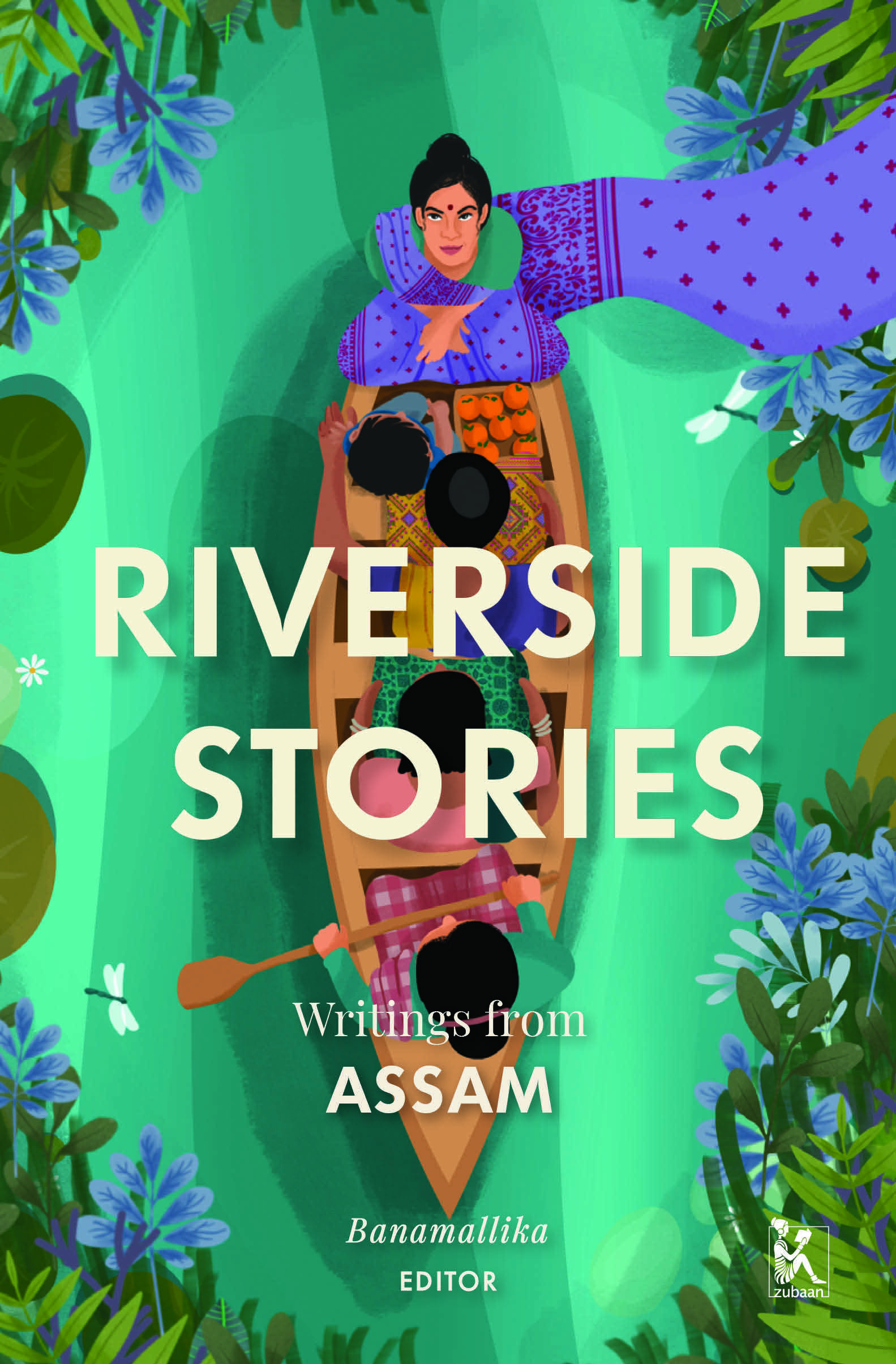
Stories abound in Assam’s fields, ponds, rivers, forests, hills and cities.
Has the queer movement’s politics in India escaped the combined onslaught of neoliberalism, Hindutva and brahminism? What has this triad done to queer politics in the wake of the ‘reading down’ of India’s sodomy law? Has the decriminalization of adult, consensual and private sex, depoliticized the queer movement? Is the queer movement immune to casteist, sexist and religious prejudice? In the aftermath of the failures and triumphs in the historic Naz, Koushal, NALSA and Navtej judgements of the Supreme Court of India, the essays in this volume engage in a counterintuitive interrogation of the prejudiced dimensions of the mainstream queer movement in India.
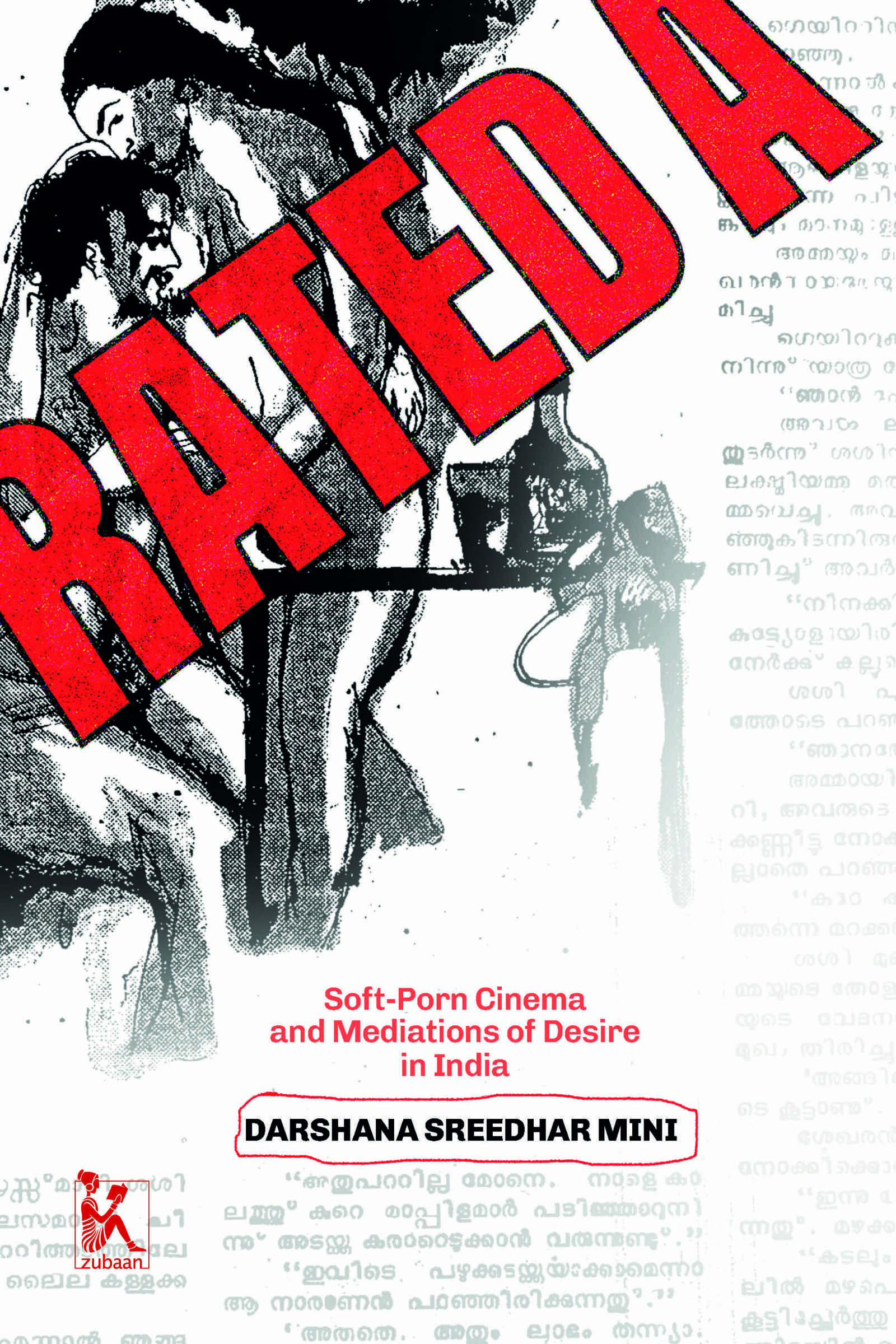
In the 1990s, India’s mediascape saw the efflorescence of edgy soft-porn films in the Malayalam-speaking state of Kerala.
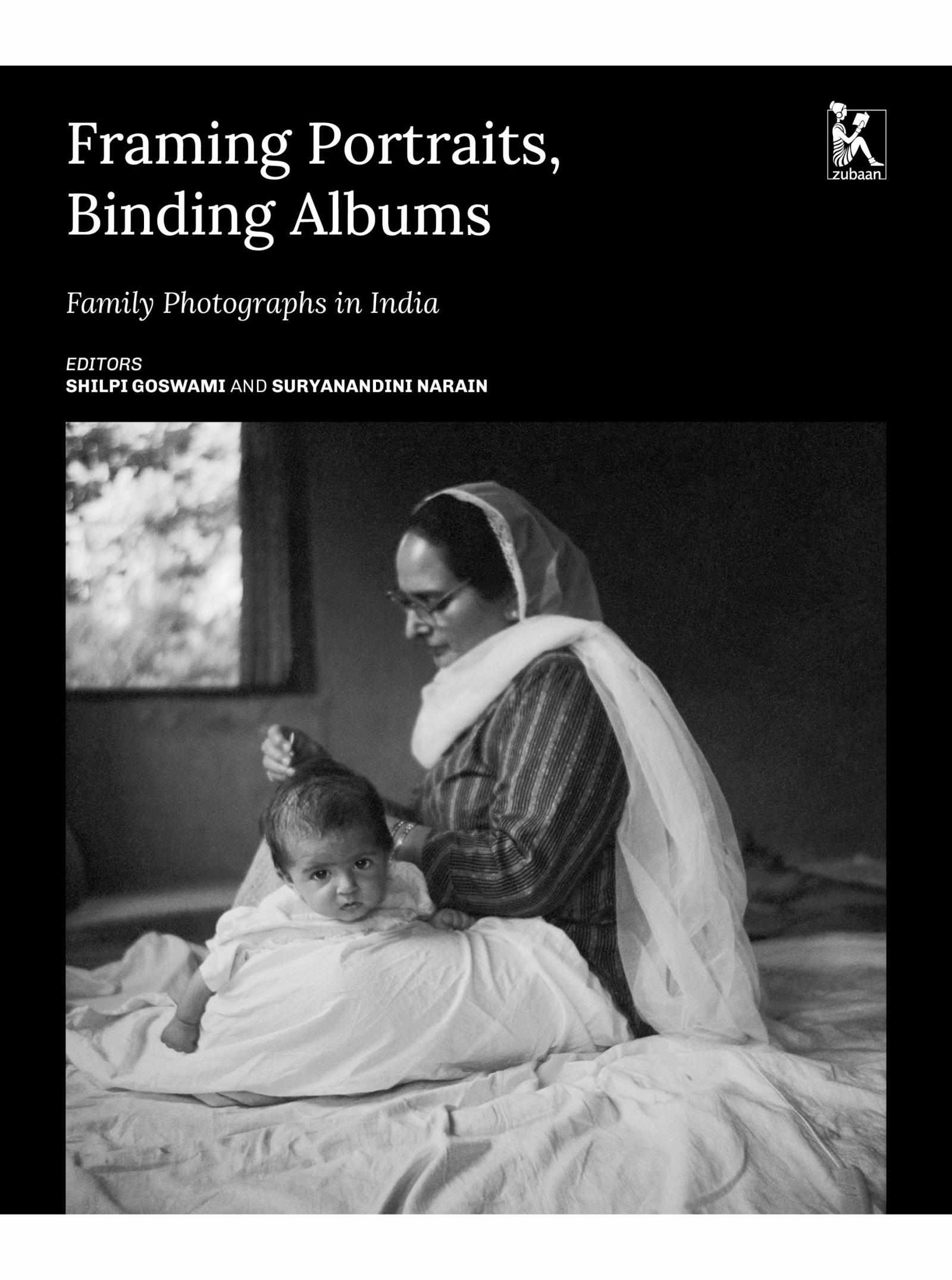
Long neglected in academic discourse in India, family photographs make a silent contribution to the histories of photography, marginality and the family.
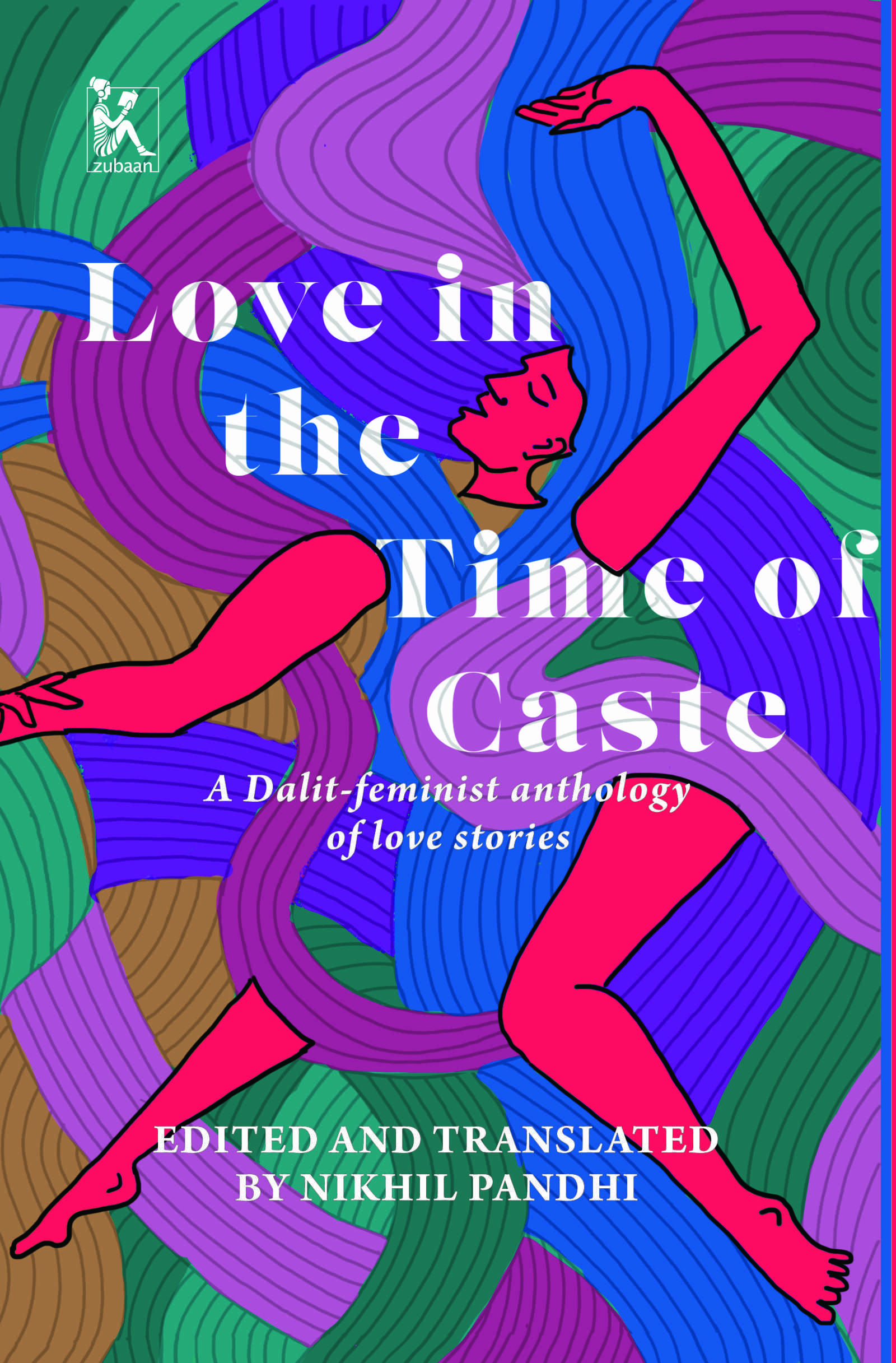
In a world governed by caste and patriarchy, Shaili, an ambitious Dalit journalist, grapples with heartbreak, disquiet, and the pernicious constraints imposed upon her desires and agency.
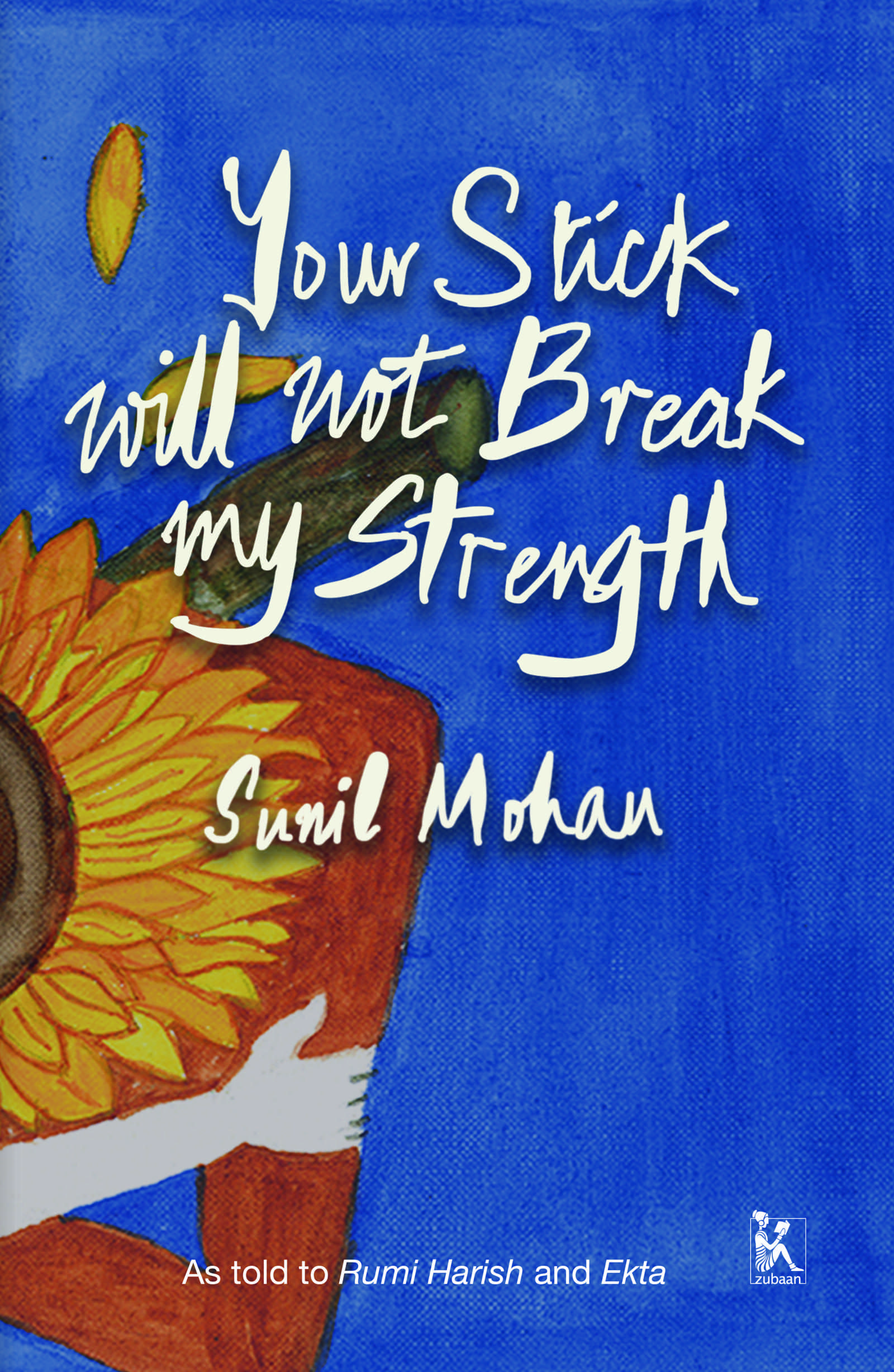
Sunil Mohan’s complex and moving memoir is more than just a story of transition.
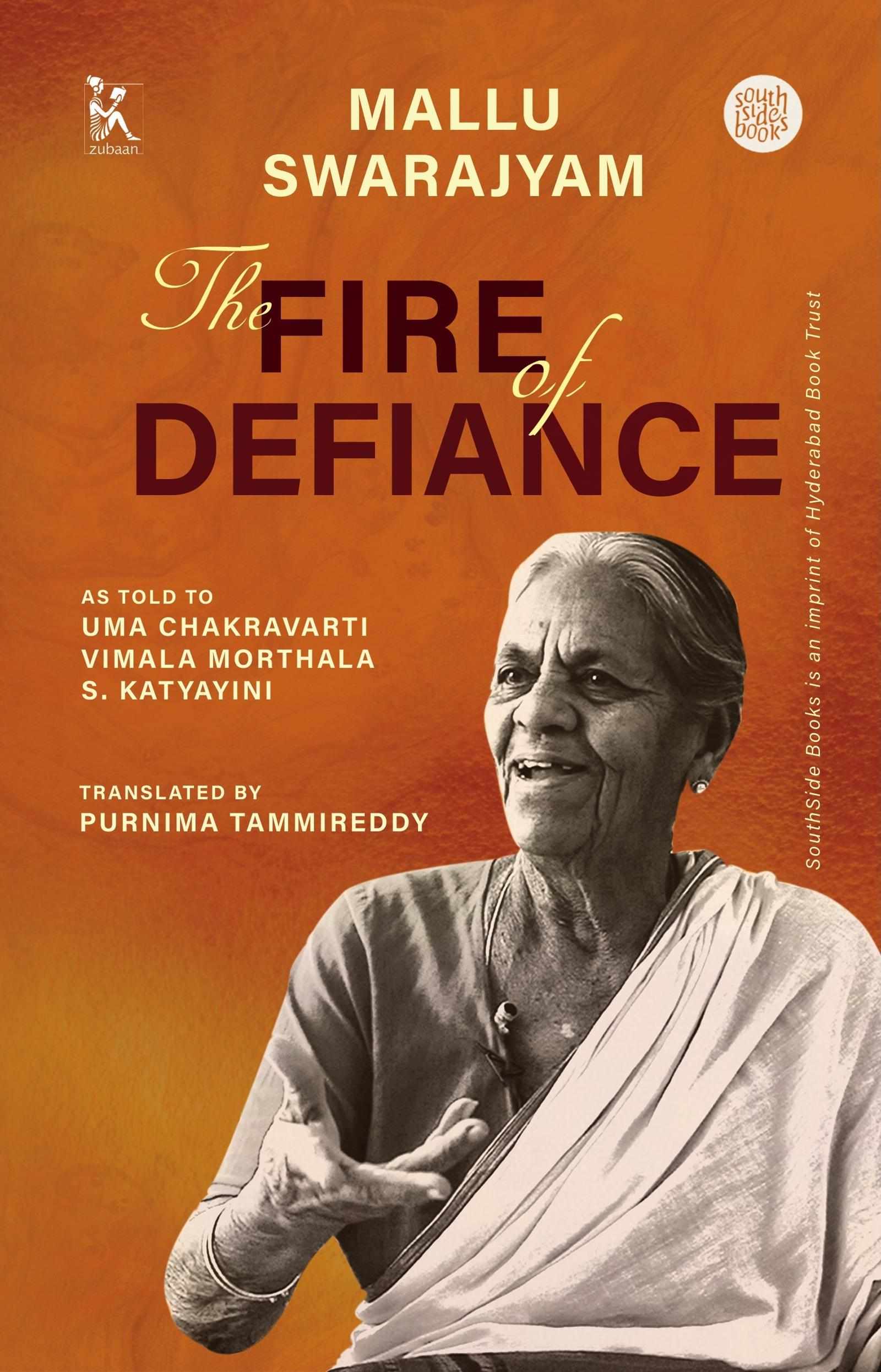
Even as the movement for Indian independence gathered momentum at the national level in the 1930s and ‘40s, a different kind of mobilization and struggle was unfolding in the Telangana region.
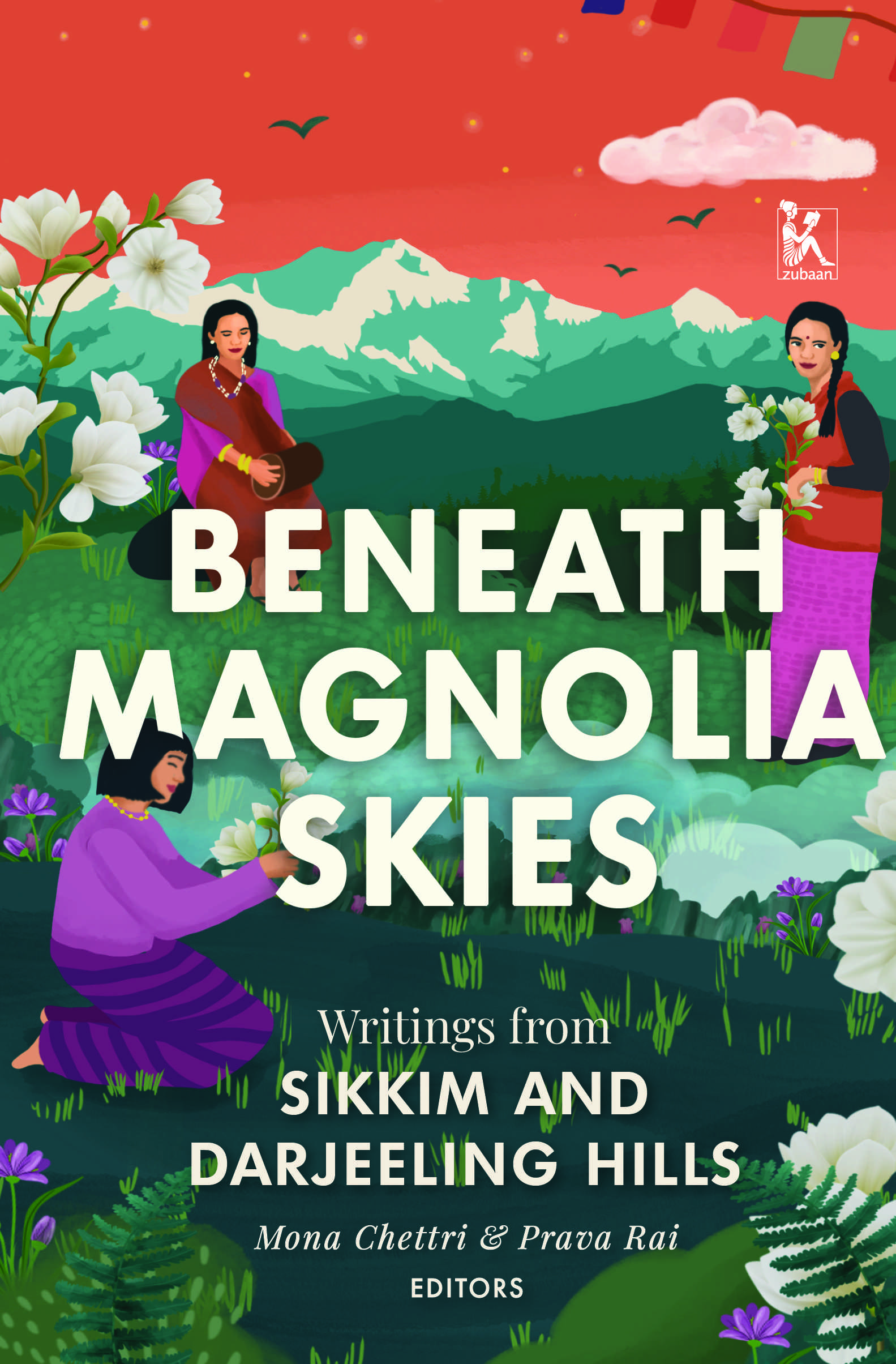
A glimpse into the lives of women from Sikkim and Darjeeling Hills, this anthology brings together homemakers, teachers, students, professionals, cultural practitioners, researchers and artists, each offering a unique lens into everyday life in the region.
Razia Sajjad Zaheer’s stories are gentle and unassuming tales that describe the lives of ordinary women—a homemaker, a teacher, a writer, a sex worker—whose struggles simply to be themselves, or to make sense of the realities they see around them, mark them as extraordinary.
These stories, written originally in Hindi, reveal an author who can think and create in two languages with rare fluency.